The clutch is a very important element in the performance of the car. It regulates the engagement between the wheels and the engine, enabling the gear changes and the transfer of power to be smooth.
Driving begins to be hard and inefficient when the clutch is beginning to wear away. Most drivers do not pay attention to the warning signs before the situation becomes serious. Frequent maintenance and service keep the machine in good operation and avoid unnecessary expenses of fixing it.
Learning about the working principle of the clutch systems and their maintenance needs will help you prevent breakdowns and have more control on the road.
What is Clutch Repair Service
Clutch service consists of checking, adjusting, fixing, or changing parts of the clutch in order to ensure the smooth running of the system.
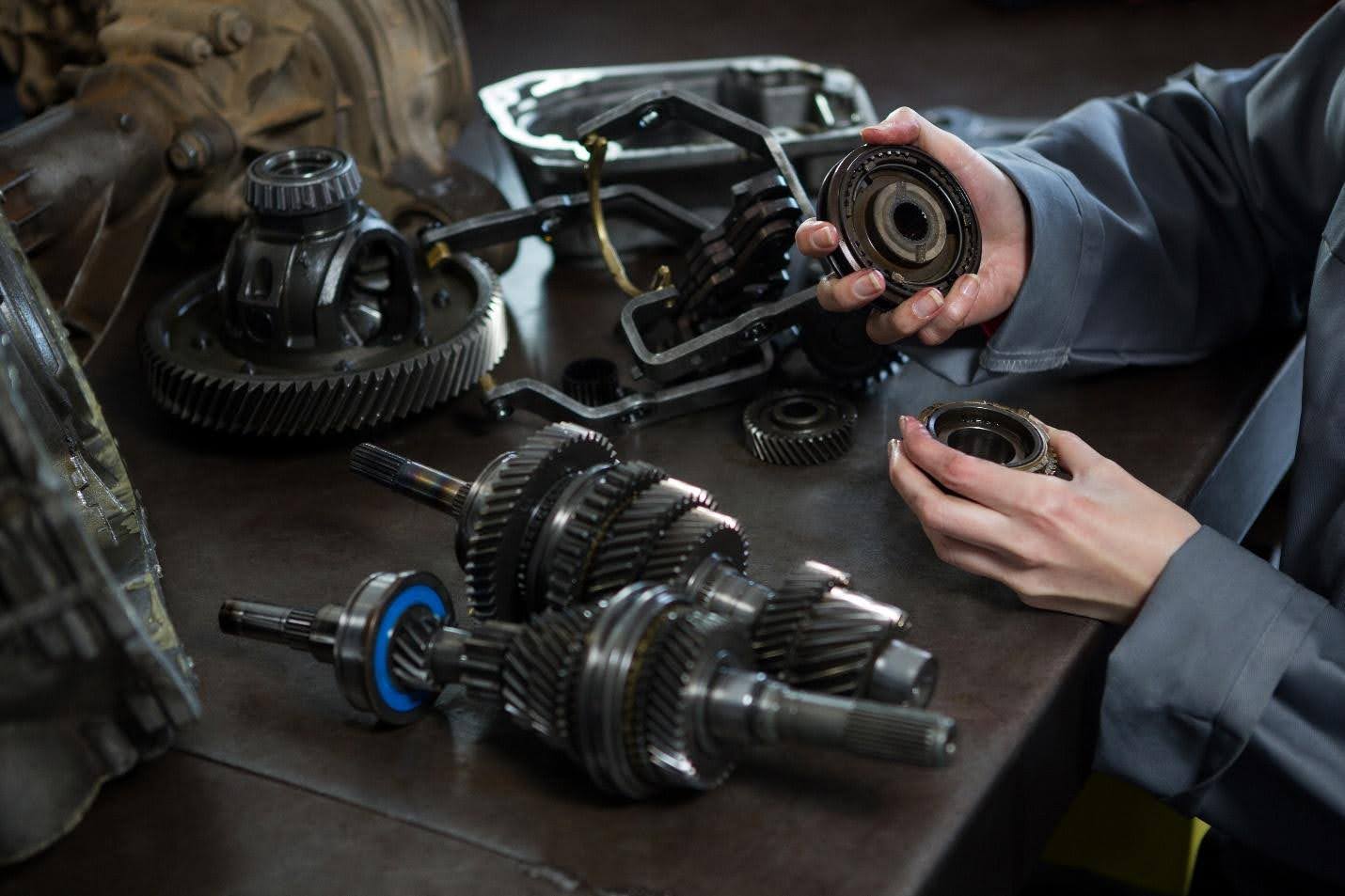
It involves the inspection of the clutch plate, pressure plate, and release bearing. Mechanics also check the level of fluids and interconnection.
Periodic clutch service will ensure the gears shift smoothly and will avoid damaging the other parts of the transmission.
Typical Clutch Problems
Early detection assists you in taking action before it is too late to do so. One of the most widespread problems is a slipping clutch. You might feel that the engine is revving and not accelerating.
Problems can also be indicated by difficulty in changing gears or a stiff clutch pedal. When the pedal is pressed, unusual sounds can be heard, which is an indication of worn materials. The early treatment of these indicators will save from more severe repairs.
Significance of Periodical Maintenance
The clutch system is maintained by routine inspection. In service, mechanics inspect wear and alignment problems, and fluid problems. The early detection of minor problems minimises the chances of abrupt collapse. Frequent checks also enhance the general performance and safety of driving.
Some cars use hydraulic systems to operate the clutch. Clutch fluid must be kept clean and at the right level. Low or polluted fluid influences performance and may cause system failure.
Ensuring that the fluid is checked and replaced whenever necessary is the key to smooth operation and the maintenance of even pressure.
Driving Behaviours that Influence Clutch Life
Clutch wear is directly related to driving style. Riding on the clutch pedal or partially holding your foot raises friction and decreases the life span.
Switching on and off driving is also a stress on the system. Controlled and smooth driving assists in increasing the life of the elements of the clutch.
When Replacement Becomes a Necessity
Every clutch wears out with time. When the problem of slipping, noise or shifting is still present after the servicing, it might need replacement.
Replacement of damaged components helps restore normal operation and helps in avoiding additional damage to the transmission. On-time replacement will prevent costly repairs in the future.
Choosing Professional Service
Clutch systems have to be handled accurately. Professional mechanics possess the skills and experience to identify the problems correctly. They maintain the correct installation and adjustment of parts. By having a trustworthy service provider, you will save your vehicle’s life and enhance the quality of repairs.