
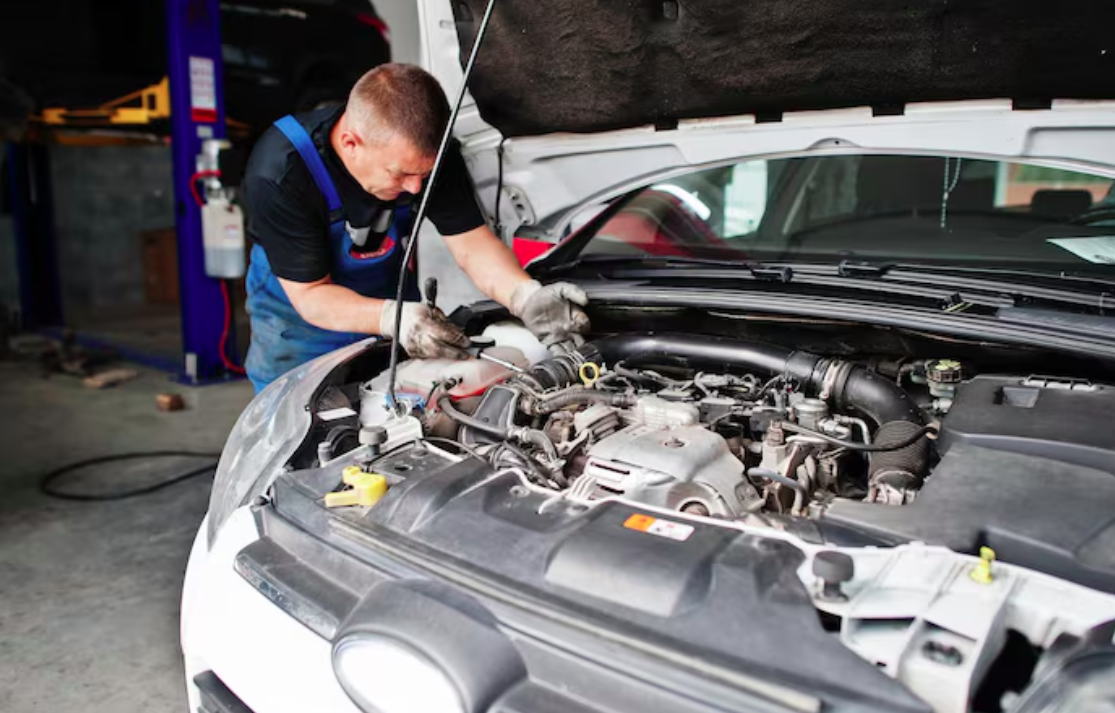
The transmission is arguably the most complex and vital component of a modern vehicle, responsible for transferring power from the engine to the wheels. When this system begins to falter, the potential for high costs and significant downtime can be overwhelming for any car owner.
Finding a service provider that possesses the technical expertise to diagnose and fix these issues is paramount for the longevity of your vehicle.
Navigating the selection process requires more than just looking for the lowest price; it demands an evaluation of technical proficiency and business integrity.
Selecting the right auto transmission repair expert can mean the difference between a smooth-running vehicle and a recurring mechanical nightmare.
Verifying Specialized Technical Expertise
Unlike general mechanical maintenance, transmission work involves intricate hydraulic systems, gear sets, and electronic control modules. You should prioritize shops that specialize specifically in drivetrain systems rather than general repair centers that handle everything from oil changes to bodywork.
A specialized auto transmission repair facility will have the specific diagnostic tools and heavy-duty lifts required to manage these heavy components safely.
Technicians who focus on this niche are more likely to stay updated on the latest software updates and mechanical bulletins from vehicle manufacturers, ensuring a more accurate and efficient repair process.
Assessing Certifications and Professional Standards
A reliable way to gauge the competence of a service center is to check for industry-recognized certifications. Look for technicians who have earned credentials from reputable automotive organizations, as these certifications require rigorous testing and ongoing education.
When a shop invests in the training of its staff for auto transmission repair, it signals a commitment to maintaining high standards of workmanship.
These certifications serve as a quality guarantee, ensuring that the individuals working on your vehicle possess a deep understanding of both legacy mechanical systems and modern computerized transmissions.
Transparency in Diagnostic Procedures
Before any work begins, a professional service provider should offer a comprehensive diagnostic report. Beware of shops that provide a quote over the phone without seeing the vehicle, as transmission issues can range from a simple sensor failure to a complete mechanical breakdown.
A trustworthy auto transmission repair center will explain the diagnostic codes and physical symptoms in plain language, allowing you to understand exactly what has failed.
They should also be willing to show you the worn or damaged parts once the unit is disassembled, providing clear evidence of the necessary work and fostering a relationship built on trust.
Evaluating Warranty and Post-Service Support
The complexity of transmission work means that even the best repairs can occasionally require adjustments. A reputable shop will stand behind its work with a solid warranty that covers both parts and labor for a significant period.
You should ask whether the warranty is honored only at that specific location or if it is part of a larger network of providers.
A strong warranty is a clear indicator that the shop is confident in its ability to perform a high-quality auto transmission repair that will last for years, giving you peace of mind as you return to the road.
Checking Reputation and Customer Testimonials
In the digital age, a company’s past performance is often visible through online reviews and community feedback. Look for consistent patterns in customer comments regarding the shop’s honesty, timeliness, and technical success.
While a few negative reviews are common for any business, a shop that consistently receives praise for solving difficult problems is a strong candidate.
Pay attention to how the business responds to complaints; a professional and helpful response to a dissatisfied customer often reveals more about their integrity than a dozen five-star ratings.