The Technological Advancement is on the Doorstep of Global Logistics
Freight transport is vital to the modern economy as it connects producers, suppliers, and consumers in a dynamic and complex journey. The advent of automated vehicles represents an exciting change in freight transportation, which will transform the roles of business models, as well as how we think about robotics, artificial intelligence, and connectivity. As the number of research projects is growing and technology becomes more robust, small storage space to rent and more precise data will be used. So, the driverless vehicle could be one step closer to becoming reality instead of just an idea.
Continuously Improving the Foundations of Technology
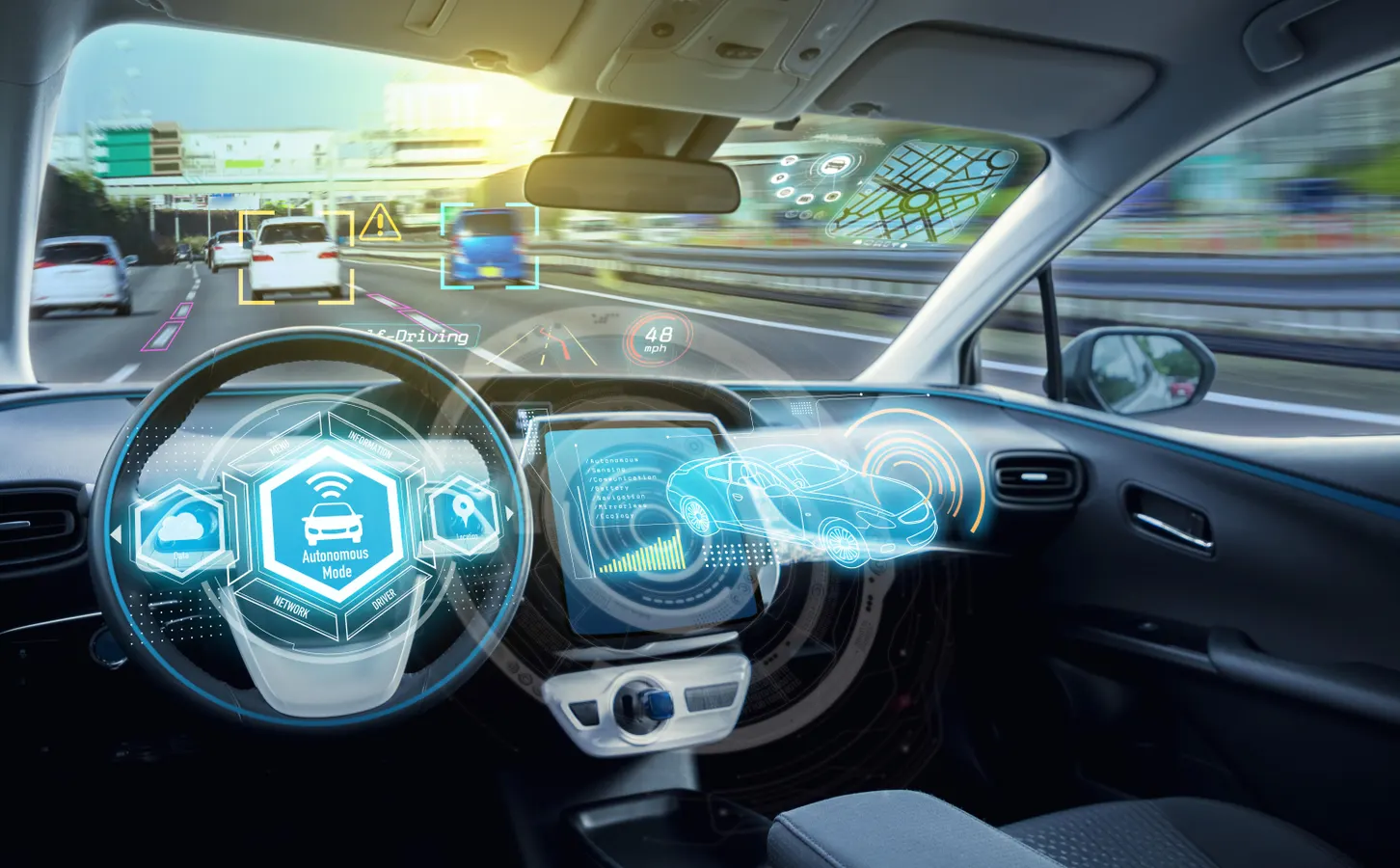
Autonomous vehicle operations are based on a myriad of technologies, such as cameras, radars, lidar sensors, Artificial Intelligence software, and onboard navigation. These assist in autonomy-based decision-making since they enable the vehicle to (1) detect obstructions, (2) understand and read interpret signals, (3) determine a route, as well as (4) anticipate road actor moves. The improvements in on-board processing power and in V2X (vehicle-to-everything) communications provide a means for autonomous vehicles to perform even in more dynamic and more complex environments.
Testing Areas: Transition Labs
Many companies are operating pilots within short-defined logistic corridors. In some areas, such as Europe, the United States, and China, autonomous vehicles have traveled for long lengths (hundreds of miles) on smooth roads that connect warehouses and distribution centers. These tests will permit security protocols to be tested in order to study the reactions of other road users and identify improvements in efficiency. The results show lower operating expenses, a decrease in human error, and improved control of the travel time.
Gains in Terms of Development and Cost Reduction
One of the strongest arguments in favor of autonomous vehicles is their possibility of cost reduction. Companies can lower costs because of the schedules of drivers or schedules that are not as flexible, fatigue from humans, or even human errors. Autonomous vehicles operate on their own, all day, every minute, and follow optimised routes to deliver in real time. This means more efficiency and less fuel consumption because they are anticipatorily driving and less indirect costs due to delays or other disasters that are associated with logistics.
The Development of the Transportation Professions
Also, the advent of autonomous vehicles and cars in Dubai implies that people working as drivers will no longer have the job. Rather, it could mean that they’ll not be driving anymore and instead become fleet managers, or technical overseers, administrators for automated equipment! The new professions are sensors maintenance and management of digital platforms, as well as onboard security to protect networks. The issue is how to educate these professionals on these new tools and support them with this transition. Social policies that promote proactiveness are vital in reducing tensions and aiding the process of retraining.
Critical Regulatory Issues
Regulations constitute one of the most significant obstacles to acceptance for autonomous cars in the freight industry. Are there rights for driver-only vehicles? Who is responsible for an accident? What are the procedures for protecting machines? The national laws must be harmonised and clearly outline the legal, technical, and ethical standards applicable to automated transportation. This includes the appropriate degree of autonomy, as well as the rules for the flow of traffic (not just on motorways, but also in urban areas), as well as the distribution of responsibility among manufacturers, operators, insurance companies, and public authorities.
Human Beliefs About Social Acceptance Along with the Human Condition
Technology is accepted in the present and is currently attempting to become a normal part of the human condition today, as it was in the past. Autonomous vehicles, as an example, may raise questions about the reduction of human factors in transportation, and also the risk of job loss and the risk of automation. To build trust with stakeholder groups, public demonstrations or information campaigns are essential. The ethical accountability of the stakeholder system is essential.
It is crucial to show that the goal is a more sustainable, safer, and more integrated transportation system that meets the needs of today. Community support is a requirement for the successful conclusion of this transformation.
Road Safety and a Reduction in Accidents
The security benefits of autonomous cars are immense. The vehicle doesn’t become drowsy in the car, drive over the speed limit, or experience emotional slips. The computer on board can spot irregularities faster, stop in emergencies, and ensure safe distances. In the end, it will reduce the chance of accidents that involve heavy-duty vehicles. But the systems need to be tested in different conditions, such as traffic, weather, and topography conditions, to ensure universal security.
Sustainable and Connected Logistics That is Eco-Friendly and Sustainable
Combining the automation of vehicles and digital platforms for management, freight transport transforms into an integrated, intelligent, efficient, and effective system. Routes can be integrated and deliveries improved, and warehouses can be monitored dynamically. This leads to lower carbon dioxide emissions, a reduction in urban road congestion, and improvements in efficiency. Autonomous trucks also have the option of using electric or hybrid modes of transportation, keeping up with environmental changes in logistics. The future will not just be self-contained, but also more efficient and more conscious.
The Current Limitations and Technical Challenges
As advances continue to be created, a lot of hurdles remain. Technologies have to function in unpredictable environments, which can happen when unpredictability occurs in construction sites, roads that are not marked, or when they are mixed with pedestrians or cyclists. Automobile owners must also be aware of cybersecurity as they have to be secured from malfunctions within the computers, hacks to the secure systems, or communications errors. Furthermore, the expensive initial costs of autos have reduced their appeal to the average consumer. The continuous improvement of algorithms, the lower cost of technology, and the widespread adoption of the right infrastructure are essential.
The Intermodality and the Complementary Nature of Solutions
Autonomous vehicles are not an alternative to other forms of transportation. They’re more of a complement to these modes of transport. They can be integrated with multimodal systems of transportation like maritime, rail, and air transportation. Autonomous trucks are able to move between warehouses and ports or between the port and the distribution center to transport transportation of freight. Intermodality can improve coordination of logistics, which decreases lead times and promotes efficient utilization of resources. In the near future, freight transportation will depend on the intelligent combination of automated roads and other transportation modes.
Perspectives on Geopolitics and Global Issues
The world’s largest players in the industry, including those from the U.S., China, and the E.U., are investing massive sums of money to fund research and industrial partnerships as well as building the infrastructure needed. Autonomy challenges are growing strategically, economically, and geopolitically. The capability to master algorithms, privacy, and data security, along with the capacity to develop strong systems, are the key tools of power in commerce. Countries that are able to successfully incorporate autonomous vehicles into their logistics systems will be able to increase their efficiency and access an international market.
New Scenarios in the Future for Hybrid Models and Progressive Models
In the coming years, the implementation of the technology will occur gradually. Initial deployment will be on roads which are well-marked, and then followed by restricted zones of logistics, followed by intercity roads. The vehicles will be monitored remotely or assisted by humans inside the cabins. Certain scenarios envision autonomous convoys that are controlled by one driver vehicle. Certain hybrid models blend autonomous driving and human involvement in unloading and loading, as well as AI supervision. The future will be comprised of collaborations, gradations, and adjustments that are adapted to the particular area.